
routines
When to Start Anti-Aging Skincare: 3 Things That Matter
The honest answer isn't a number — it's three habits. Here's when to start each, and which expensive products you can safely skip.
By Orlune Editorial · May 11, 2026 · 7 min read
If you're asking when to start anti-aging skincare, the answer the industry wants you to hear is "yesterday, and here's a $400 cream." The honest answer is: it depends on which kind of aging you're trying to prevent.
Three habits, three timelines
Photoaging — sun damage — accounts for roughly 80% of visible facial aging. Daily SPF 30+ is the single most evidence-backed intervention. Start at age 5. There is no early or late.
Barrier integrity declines from your mid-20s as ceramide production slows. A barrier-repair moisturizer with omega-7 and squalane preserves bounce, smoothness, and that thing people call "glow." Start at 25.
Collagen turnover slows around 30 and drops sharply in perimenopause. A nightly retinoid plus an antioxidant serum (vitamin C, sea buckthorn) is the gold-standard pair. Start at 30 — earlier if you have acne or texture concerns.
What you can skip
- "Eye creams" that are just moisturizer in a smaller jar
- Collagen creams — the molecule is too large to penetrate
- 10-step routines marketed as "prevention" — adherence beats complexity every time
Where sea buckthorn fits
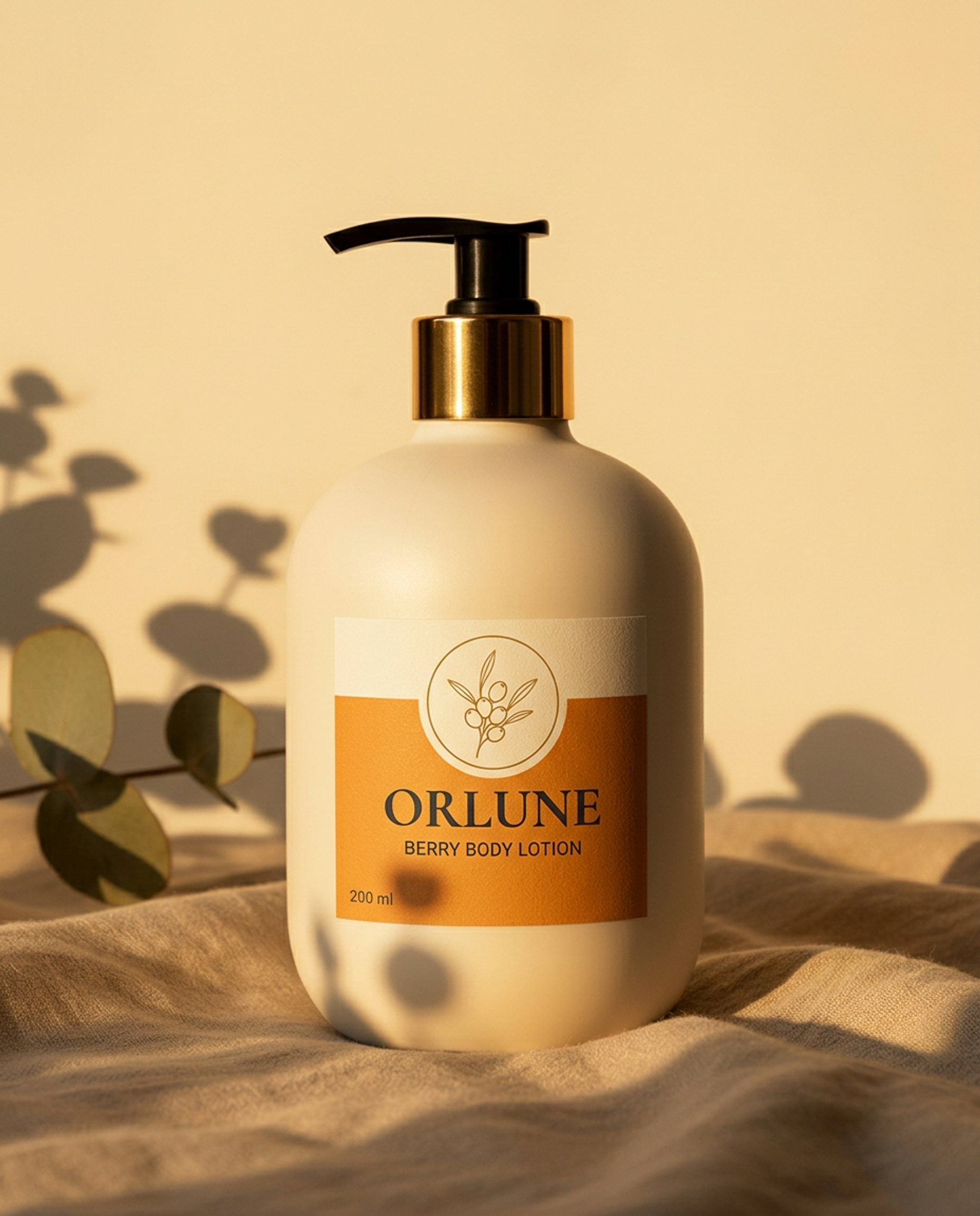
Sea buckthorn covers two of the three habits in one ingredient: it's a potent antioxidant (collagen protection) and a barrier-repair powerhouse. Pair it with daily SPF and you've covered the science.
Frequently asked
Is 22 too early for retinol?
No — but unless you have acne or texture concerns, you'll get more bang for your buck from SPF and a barrier-repair serum first.
Do I need a separate eye cream?
Almost never. The skin around the eye is thinner but responds to the same ingredients. Use a small dot of your regular moisturizer.
What's the most over-hyped anti-aging product?
Anything marketed as "collagen" applied topically. The molecule cannot cross the stratum corneum. Antioxidants and SPF protect the collagen you have.

