
ingredients
Sea Buckthorn Oil for Skin: Benefits, Uses & Side Effects
The little-known Himalayan berry that contains all four omegas — what it actually does, who it's for, and how to use it without the orange tint.
By Orlune Editorial · May 13, 2026 · 8 min read
Sea buckthorn (Hippophae rhamnoides) is a thorny shrub that grows above 3,000 metres in the Himalayas, Tibet, and parts of northern Europe. Its tiny orange berries contain over 190 bioactive compounds — making the resulting oil one of the most studied, and most concentrated, plant oils in cosmetic chemistry.
What's actually in the oil
The two oils on the market — berry and seed — have different profiles. Seed oil is high in omega-3 and 6 (linoleic, alpha-linolenic acid). Berry oil is uniquely high in omega-7 (palmitoleic acid), which makes it irreplaceable for barrier repair. We use a cold-pressed berry oil for its carotenoid load — the same compounds that give the berry its deep orange colour.
Five benefits that hold up to research
- Accelerates wound and barrier repair (palmitoleic acid + tocopherols)
- Reduces UV-induced oxidative stress (carotenoids absorb across the visible spectrum)
- Calms reactive skin and rosacea (anti-inflammatory flavonoids)
- Supports collagen integrity over time (vitamin C content rivals citrus)
- Balances oil production on combination skin (omega-7 mimics sebum)
About the orange tint
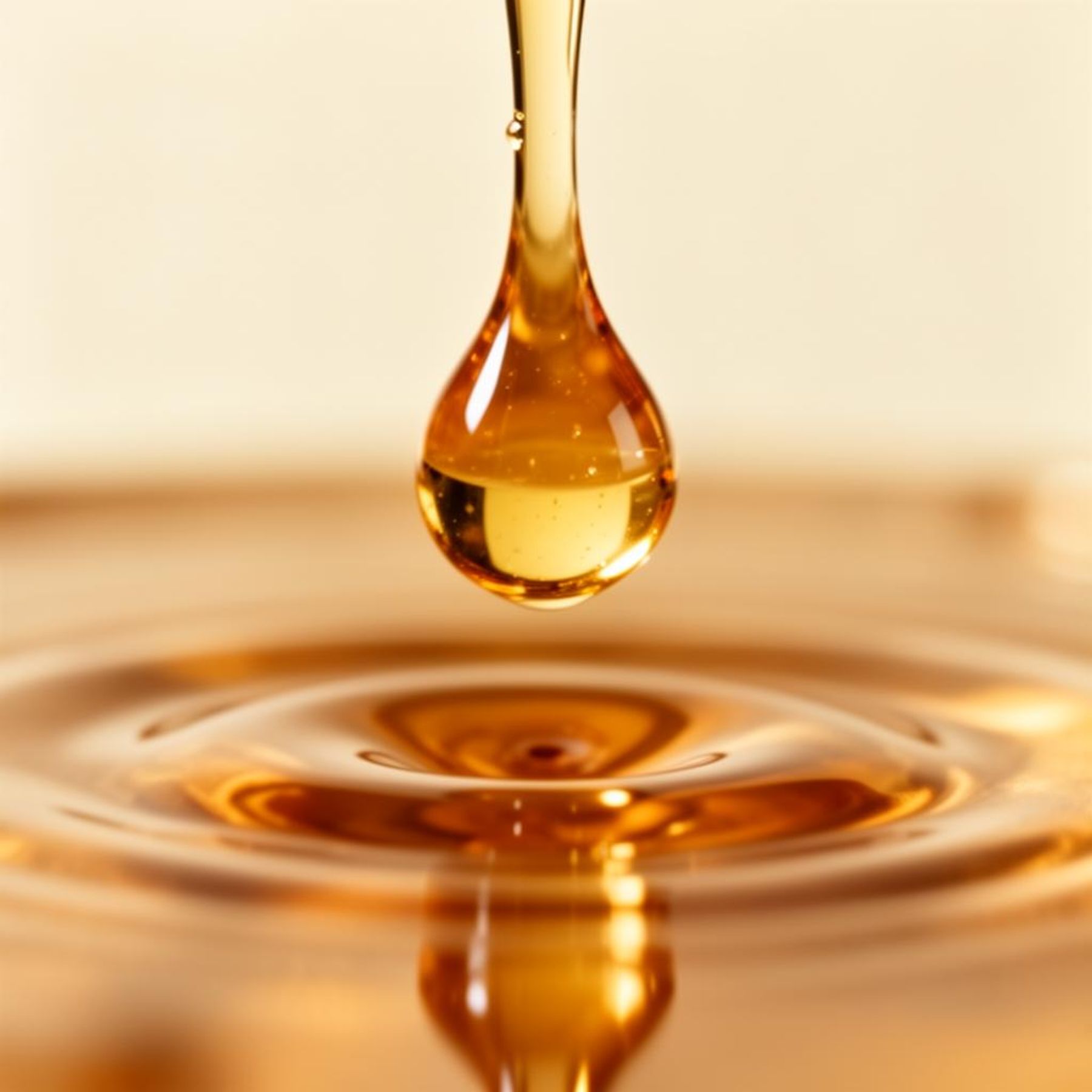
Pure sea buckthorn berry oil is bright amber-orange. In our formulas, it's diluted to 3–8% and buffered with clear carrier oils, so the tint vanishes on contact. Anyone who tells you a clear product contains "high-potency sea buckthorn" is selling you a fragrance, not an active.
Frequently asked
Berry oil vs seed oil — which is better?
Berry oil for barrier repair and mature skin. Seed oil for acne-prone or oily types. We blend both, weighted toward berry.
Will it stain my pillowcase?
No — at the dilutions used in finished products, the colour absorbs fully within 60 seconds.
Can I take it internally?
Sea buckthorn is consumed as a juice and supplement in Ladakh and parts of Europe. Cosmetic-grade oils are not intended for ingestion — buy food-grade if that's your goal.

